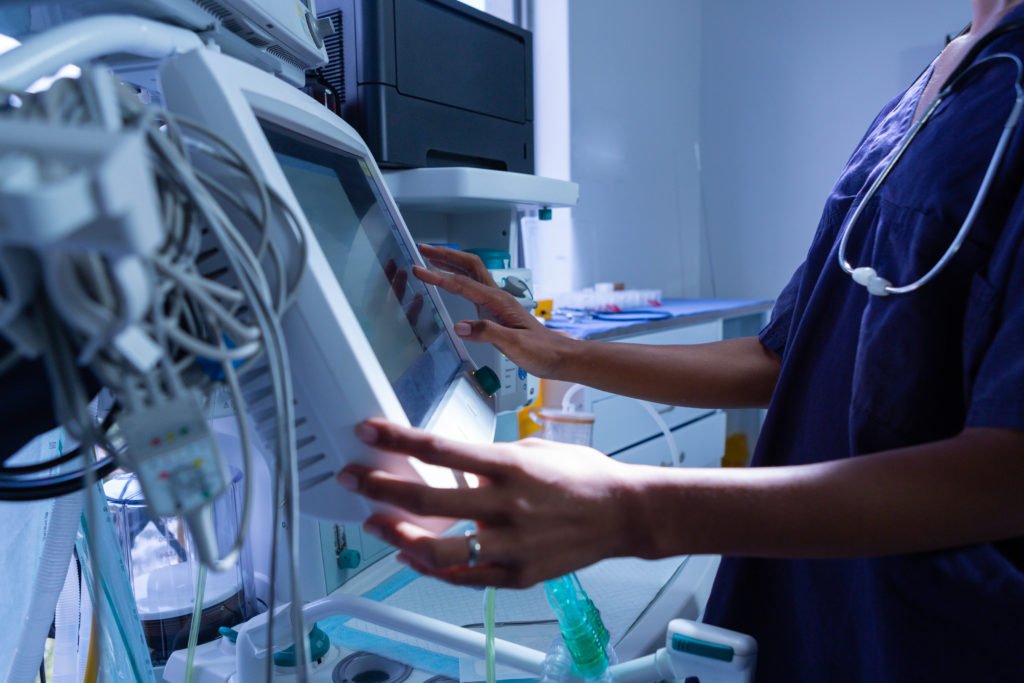
Medical device use-related risk analysis
A medical device use-related risk analysis (URRA) systematically identifies potential use errors, hazardous situations, and harms associated with interactions between users and a medical device. The URRA helps determine critical tasks, define appropriate risk control measures, and establish which use-related risks require evaluation during formative and human factors validation testing.
Human Factors Insight develops and maintains use-related risk analyses throughout the medical device development process. We combine task analysis, known use problems, device and user interface characteristics, and usability evidence to create a traceable URRA aligned with FDA’s human factors guidance, IEC 62366, and ISO 14971.
Medical device task analysis
A medical device task analysis provides a systematic breakdown of the tasks and interactions required to use a device safely and effectively. Each task can be evaluated to understand user actions, information requirements, perceptual and cognitive demands, potential difficulties, and opportunities for use error.
Identify user tasks and subtasks
Evaluate perceptual, cognitive, and physical demands
Identify potential use diffuculties and use errors
Provide the foundation for the use-related risk analysis
Use-related risk analysis (URRA)
A use-related risk analysis (URRA) systematically evaluates how interactions between intended users, the medical device user interface, and the use environment could lead to use errors, hazardous situations, and potential harm.
The URRA provides traceability between user tasks, foreseeable use errors, associated harms, risk control measures, and the evidence used to evaluate those controls. Findings from the URRA help determine which tasks and risk control measures require evaluation during formative usability testing and human factors validation testing.
Aligned with ISO 14971, FDA, and IEC 62366
Identification of reasonable foreseeable use errors and hazardous situations
Determine potential harms and severity
Identify critical tasks
Define and document use-related risk control measures
Maintain traceability between risks, controls, and usability evidence
Inform formative and human factors validation testing
Use-related risk control measures
Use-related risk control measures should address identified risks through the user interface and device design wherever practicable. We support manufacturers in identifying, evaluating, and documenting appropriate risk controls and maintaining traceability between identified use-related risks and the measures implemented to reduce them.
Inherent safety through medical device and user interface design
Protective measures within the medical device or systems
Safety information, labeling, and instructions for use
Evaluation of risk control effectiveness through usability testing
Traceability between identified risks and implemented controls
Our Use-Related Risk Analysis Process
01
Define users, use environments & tasks
Identify intended users, use environments, use scenarios, user tasks, and task sequences.
02
Identify potential use errors
Determine reasonably foreseeable ways users could perform tasks incorrectly, incompletely, or not at all.
03
Evaluate use-related risks
Identify and document use errors, including associated hazardous situations, potential harms, severity, and identify critical tasks.
04
Define risk controls
Identify appropriate device design, protective, labeling, or training measures to reduce use-related risks.
05
Maintain & validate
Update the use-related risk analysis as the design evolves and use usability evidence to evaluate the effectiveness of implemented risk controls.
Frequently asked questions
A use-related risk analysis (URRA) identifies potential use errors, hazardous situations, and harms that may result from interactions between users and a medical device. It also documents the risk control measures used to reduce identified use-related risks.
A use-related risk analysis focuses specifically on risks associated with device use and user interaction. It forms part of the broader medical device risk management process, which also considers risks associated with areas such as device failure and other product hazards.
The use-related risk analysis should be initiated early in medical device development and updated throughout the design process as new usability findings, design changes, risks, and risk control measures are identified.
A critical task is a user task that, if performed incorrectly or not performed at all, could result in serious harm to the patient or user.
The use-related risk analysis helps identify critical tasks and use-related risks that should be addressed in the human factors validation study. Validation testing then provides evidence regarding whether intended users can perform critical tasks safely and effectively.
Need support with your use-related risk analysis?
Whether you are developing a new use-related risk analysis, updating an existing risk analysis, or preparing for human factors validation testing, we can help you identify, evaluate, document, and manage use-related risks throughout medical device development.
Schedule a free consultation